


The Positive Impacts of Pet Therapy Services
- celestegoodhope
- Oct 3, 2025
- 4 min read
Pet therapy has gained significant attention in recent years as a powerful tool to improve mental, emotional, and physical well-being. This form of therapy involves animals, typically dogs or cats, interacting with people to provide comfort, reduce stress, and promote healing. The positive impacts of pet therapy benefits extend across various settings, including hospitals, nursing homes, schools, and rehabilitation centers. In this article, we will explore the many advantages of pet therapy, practical examples of its use, and how it can be integrated into everyday life.
Understanding the Pet Therapy Benefits
Pet therapy benefits are wide-ranging and supported by numerous studies. Animals have a unique ability to connect with humans on an emotional level, which can lead to improved mood and reduced feelings of loneliness or anxiety. For example, patients recovering from surgery often experience less pain and faster healing when they have regular visits from therapy animals. The presence of a calm, friendly pet can lower blood pressure and heart rate, contributing to overall cardiovascular health.
In educational settings, pet therapy can help children with learning disabilities or behavioral challenges by providing a non-judgmental companion that encourages social interaction and focus. Seniors in long-term care facilities often find joy and companionship through pet therapy, which can reduce symptoms of depression and improve cognitive function.
Some key pet therapy benefits include:
Stress reduction: Interaction with animals releases oxytocin, a hormone that promotes relaxation.
Improved social skills: Therapy animals encourage communication and socialization.
Enhanced physical health: Petting or playing with animals can increase physical activity and improve motor skills.
Emotional support: Animals provide comfort and reduce feelings of isolation.
How Pet Therapy Services Enhance Well-being
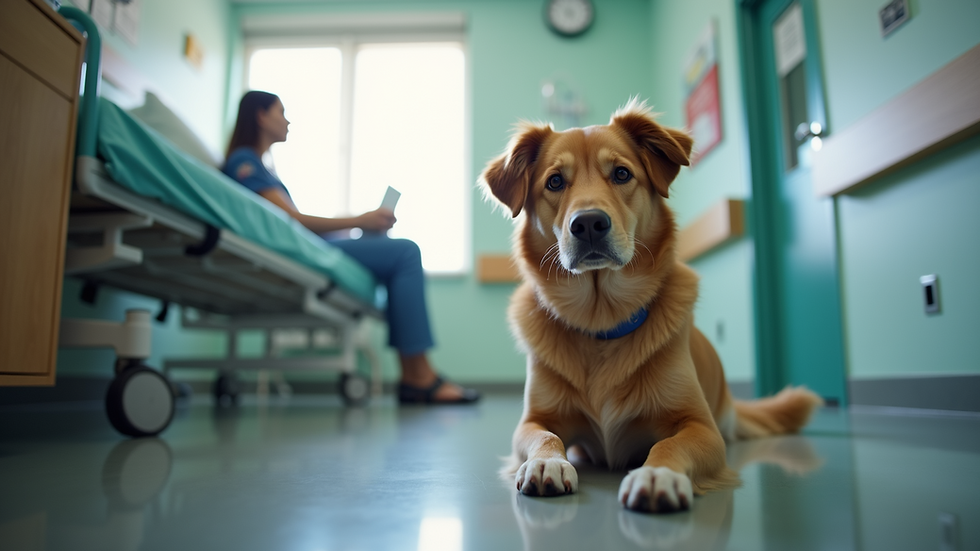
Integrating pet therapy services into healthcare and community programs can significantly enhance well-being. These services are designed to match trained therapy animals with individuals who can benefit most from their presence. For example, a therapy dog visiting a rehabilitation center can motivate patients to participate more actively in their physical therapy sessions.
Pet therapy services also offer emotional support during difficult times. For instance, children undergoing medical treatments often feel scared or anxious. The presence of a gentle therapy animal can provide a sense of normalcy and comfort, making hospital visits less intimidating.
To maximize the benefits of pet therapy, it is important to:
Choose the right type of animal based on the individual's needs and preferences.
Ensure animals are well-trained and certified for therapy work.
Schedule regular visits to build trust and familiarity.
Combine pet therapy with other therapeutic interventions for holistic care.

What are the Top 5 Therapy Pets?
While dogs are the most common therapy animals, several other species have proven effective in therapy roles. Here are the top 5 therapy pets:
Dogs: Known for their loyalty and gentle nature, dogs are versatile therapy animals used in hospitals, schools, and nursing homes.
Cats: Cats offer calm companionship and are especially helpful for individuals who prefer a quieter presence.
Rabbits: Their soft fur and gentle demeanor make rabbits ideal for calming anxious patients, especially children.
Guinea Pigs: Small and easy to handle, guinea pigs are often used in therapy sessions for children and elderly individuals.
Horses: Equine-assisted therapy helps individuals with physical disabilities, emotional challenges, and developmental disorders through riding and grooming activities.
Each therapy pet brings unique benefits, and the choice depends on the therapy goals and the recipient's comfort level.

Practical Ways to Incorporate Pet Therapy Benefits in Daily Life
You don't need to be in a hospital or therapy center to enjoy the benefits of pet therapy. Here are some practical ways to incorporate pet therapy benefits into your daily routine:
Volunteer with therapy animals: Many organizations welcome volunteers to help with therapy animal visits in community centers or schools.
Adopt a pet: Owning a pet can provide daily emotional support and encourage physical activity.
Visit pet therapy programs: Some libraries, senior centers, and hospitals offer scheduled pet therapy sessions open to the public.
Use virtual pet therapy: For those unable to interact with animals in person, virtual sessions with therapy animals are becoming more popular.
Practice mindfulness with pets: Spending quiet time petting or simply being near an animal can enhance mindfulness and reduce stress.
By integrating these activities, individuals can experience improved mood, reduced anxiety, and a greater sense of connection.
The Lasting Impact of Pet Therapy Benefits on Mental Health
Mental health is a critical area where pet therapy benefits shine. Animals provide unconditional love and acceptance, which can be especially healing for people struggling with depression, PTSD, or anxiety disorders. The routine of caring for a therapy pet or participating in therapy sessions can create structure and purpose, which are important for mental wellness.
Moreover, pet therapy can break down barriers to communication. For example, children with autism spectrum disorder often find it easier to engage with therapy animals than with people, which can help develop social skills and emotional regulation.
Incorporating pet therapy into mental health treatment plans can lead to:
Reduced symptoms of anxiety and depression
Increased feelings of safety and comfort
Enhanced motivation to participate in therapy
Improved social interaction and communication skills
The positive effects of pet therapy often extend beyond the therapy sessions, creating lasting improvements in quality of life.
Pet therapy benefits are undeniable and accessible to many. Whether through professional pet therapy services or personal interaction with animals, the healing power of pets can transform lives. Embracing this form of therapy offers a natural, compassionate way to support physical, emotional, and mental health.
Contact me to book pet therapy services by call/text: 250-688-5392 or email: celestegoodhope@live.ca.
Cranbrook Dog Trainer


Comments