


Understanding and Managing Reactivity in Dogs
- celestegoodhope
- Sep 22, 2025
- 3 min read
Reactivity is one of the most common challenges dog guardians face, yet it’s also one of the most misunderstood. Many people mistake reactivity for aggression, but the truth is often much more complex—and much less frightening. By better understanding what drives reactivity, we can respond with compassion, patience, and effective training strategies that help our dogs thrive.
What Is Reactivity?
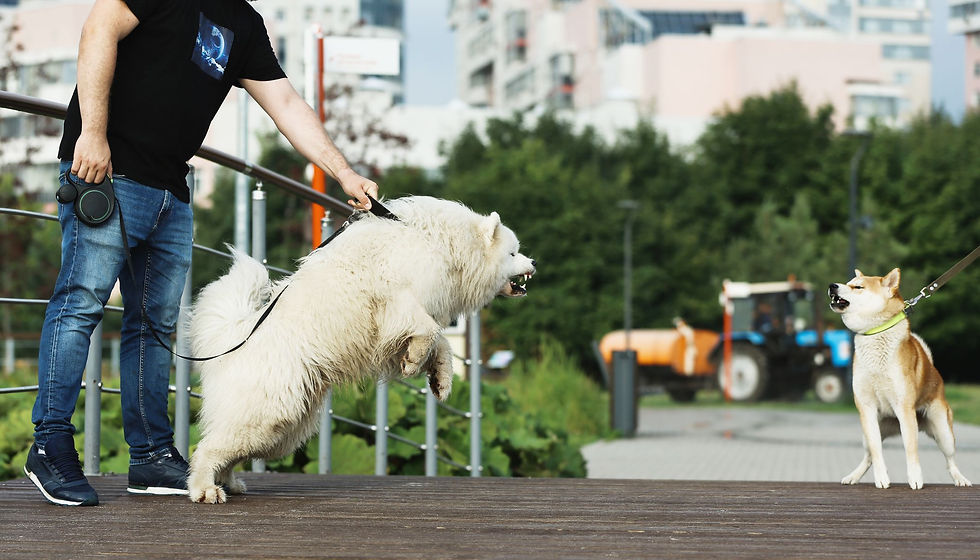
Reactivity occurs when a dog overreacts to a trigger in their environment, such as another dog, a person, a vehicle, or even a sudden noise. A reactive dog may bark, lunge, growl, or whine when faced with these triggers.
It’s important to note: reactivity is an emotional response, not a personality flaw. At its core, reactivity usually stems from one of three things:
Fear or anxiety – The dog feels unsafe or uncertain.
Frustration – Often seen in dogs who want to interact but are restrained by a leash or barrier.
Excitement or over-arousal – Some dogs simply become overwhelmed by stimulation.
Common Causes of Reactivity
Every dog has a unique history and genetic makeup, but common factors include:
Lack of early socialization – Missing out on positive experiences during puppyhood.
Negative past experiences – Trauma, rough handling, or being attacked by another dog.
Genetic predisposition – Some breeds are more prone to sensitivity and high arousal.
Inconsistent training – Confusing or unfair corrections can make reactivity worse.
How to Help a Reactive Dog
Reactivity isn’t something that disappears overnight—it requires time, trust, and structured training. Here are some steps that can make a big difference:
1. Identify Triggers and Thresholds
Pay attention to what sets your dog off and how close they can be to the trigger before reacting. This is called their threshold. Staying below threshold is key to successful training.
2. Build Positive Associations
Use counterconditioning: pair the presence of a trigger with something your dog loves, like treats or play. Over time, your dog learns that the once-scary thing predicts good things.
3. Practice Calm Engagement
Teach focus cues such as look at me or leave it. These give your dog something constructive to do instead of reacting.
4. Use Management Tools
Harnesses and long lines for safe handling.
Visual barriers (like walking behind cars or hedges) to reduce exposure.
Muzzles (introduced positively) if safety is a concern.
5. Provide Mental and Physical Outlets
A tired brain is a calmer brain. Enrichment activities like sniff walks, puzzle feeders, and training games help reduce overall stress levels.
6. Work with a Professional
A qualified trainer who specializes in reactivity can create a tailored plan and coach you through challenges. Look for someone who uses positive reinforcement and science-based methods.
What Not to Do
Don’t punish the behavior. Punishment may suppress outward reactions but doesn’t address the underlying emotion—often making fear or frustration worse.
Don’t flood your dog. Forcing them into overwhelming situations (“They’ll get used to it”) can backfire, increasing sensitivity.
Don’t compare. Every dog’s journey is different; progress may be slow, but even small wins are worth celebrating.
Building Trust and Confidence
At the heart of reactivity training is the relationship between you and your dog. When your dog learns that you are safe, consistent, and compassionate, they gain the confidence to face the world with less fear and more trust.
Reactivity isn’t about having a “bad dog.” It’s about a dog whose emotions run high and need help regulating. With patience, love, and the right training strategies, reactive dogs can—and do—become calmer, happier companions.
👉 Remember: progress may be gradual, but every step forward is a victory. By focusing on understanding rather than judgment, we can transform reactivity from a daily struggle into an opportunity for deeper connection with our dogs.
For help with your reactive dog, contact me by text/call 250-688-5392 or email celestegoodhope@live.ca.
dog training cranbrook


Comments